 listicle
Benefits of Facial Sculpting Massage: What to Expect
Last Updated: October 23, 2026
Quick Summary
Facial sculpting massage moves fluid, releases muscle tension, and temporarily boosts blood flow, which softens puffiness and defines contours. It does not rebuild collagen or permanently reshape bone, so expect temporary, cumulative improvement in tone and definition rather than a facelift.
- Immediate drainage and glow effects typically fade within 24 to 72 hours after a session.
- Muscle relaxation from facial sculpting massage holds a few days to a week.
- Book two to three days before an event, not the morning of.
- Wait at least two weeks after fillers, Botox, or microneedling before facial massage.
- Buccal massage requires gloved hands, clear consent, and a trained provider.
Table of Contents
- What Facial Sculpting Massage Actually Does
- The Core Benefits of Facial Sculpting Massage
- Face Sculpting Massage Results You Can Realistically Expect
- Facial Massage Techniques Used in Sculpting
- How Long Does Facial Sculpting Massage Last?
- Facial Massage Risks and Side Effects to Know
- At-Home Care and Professional Treatment: What to Pair
- Frequently Asked Questions
What Facial Sculpting Massage Actually Does
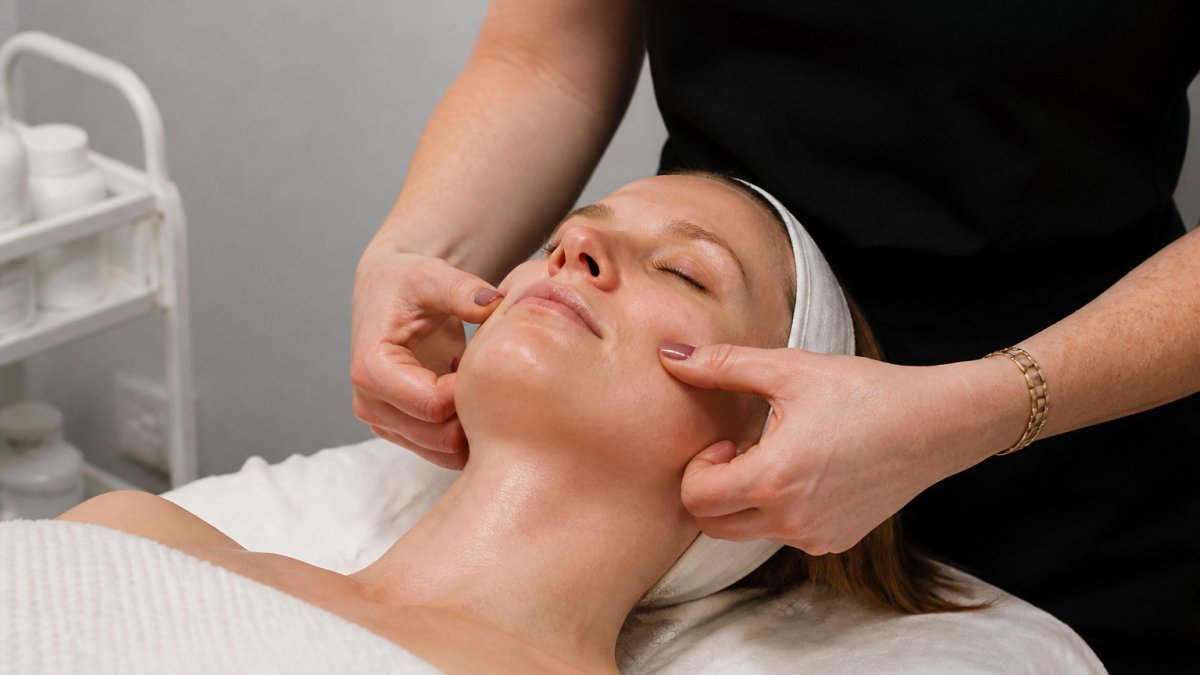
Facial sculpting massage is a manual treatment that works on facial muscles, lymph flow, and circulation rather than on the skin's surface alone. A 2025 comparative study indexed on PubMed Central's comparative analysis of facial roller and gua sha massage found that both techniques improved facial contours, though through distinct physiological mechanisms. At S. Corbin Esthetics, we perform Neo Lifting facial sculpting massage in our Cypress studio, and the honest version of what it does is this: it moves fluid, releases muscle tension, and temporarily boosts blood flow. It does not rebuild collagen or permanently reshape bone.
That distinction matters because most content about the benefits of facial sculpting massage skips it entirely.
The Core Benefits of Facial Sculpting Massage
Circulation, Lymphatic Drainage, and Reduced Puffiness
Improved blood flow is the most immediate, most reliable effect. Massage brings oxygen and nutrients to the tissue, which shows up as a fresher, less gray complexion within minutes. Lymphatic drainage works the same way: gentle, directional strokes help move accumulated fluid out of the tissue, which is why puffiness around the eyes and along the jaw softens after a session.
Fluid retention is not the same thing as fat, and that is where expectations go sideways. Drainage reduces the appearance of puffiness. It does not remove volume that isn't fluid.
Contour, Firmness, and a Lifted Appearance
Facial definition comes from two places: muscle tone and fluid distribution. Sculpting techniques target both. Working the facial muscles releases chronic tension that can drag features downward, and a 2018 study of 50 people cited by Healthline's review of facial massage benefits examined markers including visible skin fullness, tension, and blood flow. Note what that study did and did not establish. It looked at markers of skin health, not permanent contour change.
Face Sculpting Massage Results You Can Realistically Expect
Realistic face sculpting massage results fall into three tiers. Immediately after a session, expect a temporary reduction in puffiness, a softer jawline, and a brighter tone. That lasts hours to a couple of days. Over a series of sessions, many clients notice improved skin texture and a more defined look that holds longer between visits. What you should not expect is a permanent structural change.
The evidence base is genuinely limited. Healthline's 2018 review characterizes the research as showing improvement in some markers of skin health rather than establishing lasting sculpting outcomes. That is not a reason to skip it, but it is a reason to judge it on comfort, relaxation, and short-term appearance rather than on promises of structural change.
Facial Massage Techniques Used in Sculpting
Facial massage techniques in sculpting work in layers. Superficial strokes handle product absorption and surface circulation. Deeper, slower strokes work the muscle. Directional drainage strokes follow lymph pathways toward the nodes at the jaw and neck. Most competitors list technique names and stop there. The more useful question is which technique does which job, what it feels like, and what it can realistically change, so the comparison below is organized around purpose rather than vocabulary.
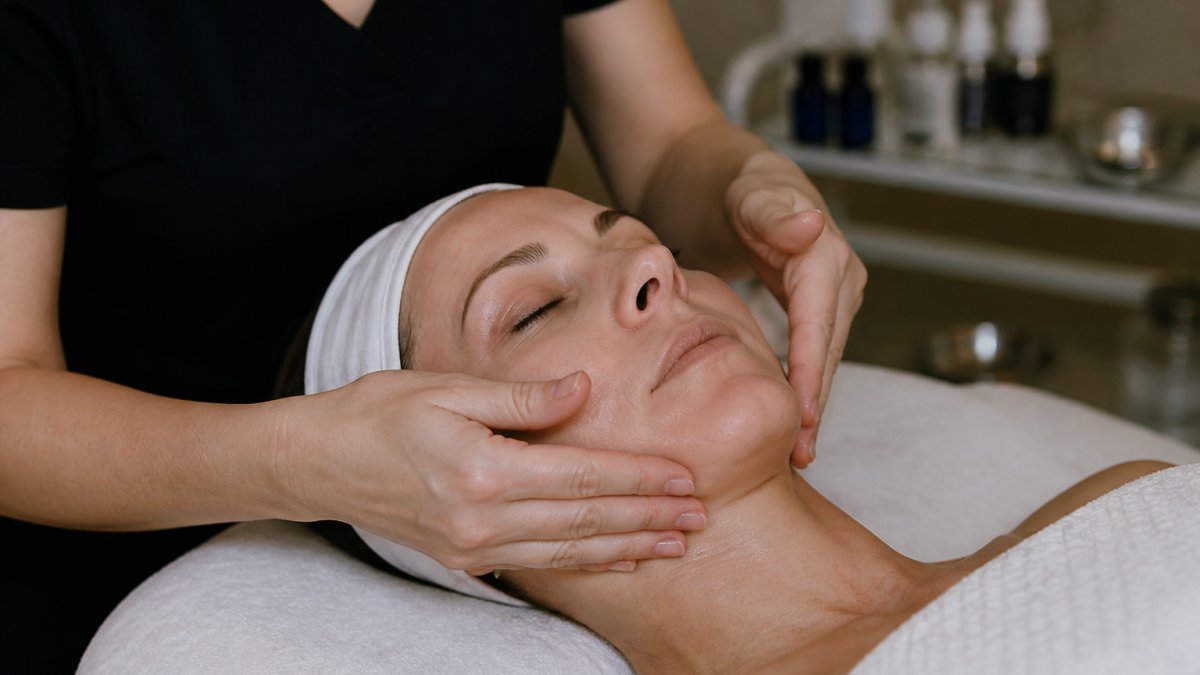
The main techniques we use include:
- Effleurage - light, gliding strokes for circulation and product spread
- Petrissage - kneading of the muscle belly to release tension
- Lymphatic drainage strokes - feather-light, directional, toward the nodes
- Buccal work - intraoral massage of the cheek muscles, performed only by trained providers
- Tapotement - quick tapping to stimulate blood flow at the end of a session
Technique Comparison by Purpose, Sensation, and Likely Outcome
| Technique | Primary purpose | What it feels like | Realistic outcome |
|---|---|---|---|
| Manual sculpting (effleurage + petrissage) | Muscle release and contour | Firm, slow, sometimes tender over tight jaw muscles | Softer resting muscle tension and a more defined look that holds for days |
| Lymphatic-style drainage | Fluid movement and de-puffing | Feather-light, rhythmic, almost ticklish | Visible reduction in puffiness, strongest in the first 24 to 72 hours |
| Buccal (intraoral) massage | Deep release of the cheek and jaw muscles | Unusual at first, pressure from inside the mouth | Relief of jaw clenching and a slimmer-looking lower face, temporary |
| Gua sha or roller work | Surface circulation and product spread | Cool, gliding, low pressure | Brighter tone and better product absorption, short-lived |
A 2025 comparative study indexed on PubMed Central's comparative analysis of facial roller and gua sha massage found that roller and gua sha techniques improved facial contours through distinct mechanisms, which is a useful reminder that "sculpting" is an umbrella term rather than one procedure. Manual sculpting, buccal work, and lymphatic-style massage are not interchangeable, and a good provider sequences them rather than picking one.
Buccal massage is the technique most people ask about and the one most often done badly. It requires gloved hands, clear consent, and a provider trained in intraoral work. Ask directly before booking, and expect the provider to explain the sequence before starting.
How Long Does Facial Sculpting Massage Last?
How long facial sculpting massage lasts depends on the effect you're measuring. The immediate drainage and glow effect typically fades within 24 to 72 hours. Muscle relaxation holds a few days to a week. Cumulative contour and firmness changes build over a series of sessions, usually weekly or biweekly, and then need maintenance to hold.
Our general guidance: start with a short series, then drop to monthly maintenance once you see where your skin settles. If you have an event, book two to three days out, not the morning of.
Facial Massage Risks and Side Effects to Know
Facial massage risks and side effects are mild for most people but real. The most common are temporary redness, slight tenderness in the jaw muscles, and occasional breakouts in the days after, especially if you're prone to congestion.
Skip facial massage, or get clearance first, if you have:
- Active acne cysts, open lesions, or a skin infection
- Recent fillers, Botox, or microneedling (wait at least two weeks)
- A history of cold sores (massage can trigger an outbreak)
- Recent facial surgery or dental work
- Uncontrolled high blood pressure or a bleeding disorder
- Active eczema or rosacea flare
At-Home Care and Professional Treatment: What to Pair
At-home massage and professional treatment do different jobs, and pairing them is where results compound. The practical split is this: home work maintains circulation and drainage between visits, while professional work handles the muscle depth and intraoral technique you cannot safely replicate yourself. Most competitors blur the two or imply a roller replaces a session. It does not.
What Home Massage Can and Cannot Do
At home, five minutes of gentle upward strokes with a facial oil supports product absorption and keeps tissue from stiffening between visits. A gua sha tool or roller adds surface circulation and a cooling sensation. What home massage cannot do is replicate trained muscle work, intraoral technique, or the sequencing a provider uses to move fluid in the right direction. A roller alone will not release a clenched masseter or address deeper jaw tension.
A sensible home routine looks like this:
- Daily or near-daily: two to five minutes of light upward effleurage with a facial oil, morning or evening
- Two to three times a week: a few minutes of gua sha or roller work for surface circulation
- Skip on: active breakouts, irritated skin, or within two weeks of fillers, Botox, or microneedling
What Professional Treatment Adds
A professional session adds trained pressure, correct drainage direction, and access to buccal work when it is appropriate. It also adds assessment: a provider can tell whether your puffiness is fluid, whether your jaw tension is muscular, and whether a technique is contraindicated for your skin on that day. That judgment is the part home tools cannot supply.
How to Sequence Them
A common pattern is a short series of professional sessions, usually weekly or biweekly, followed by monthly maintenance once your skin settles. Home care runs continuously in the background. If you have an event, book the professional session two to three days out rather than the morning of, and keep home work light in the days before so you are not adding irritation on top of treatment.
We pair Neo Lifting with a targeted home regimen built around Laskin Skin Systems and Corium Corrective 360 products, chosen to match your skin's actual needs rather than a generic kit. If you're already investing in home care, the professional session is what makes those products work harder, and the home routine is what keeps the results from fading between visits.
Frequently Asked Questions
Does face sculpting massage really work?
Research supports some real, though often temporary, effects. A 2025 study in PubMed Central found facial roller and gua sha techniques improved facial contours through distinct physiological mechanisms, and a 2018 study of 50 people cited by Healthline linked facial massage to markers like visible skin fullness, tension, and blood flow. Healthline also notes the evidence is limited and some effects are temporary. Think of facial sculpting massage as a way to support circulation, relaxation, and a fresher look rather than a permanent reshaping treatment.
How long does a face sculpting massage last?
Most of the immediate payoff, such as reduced puffiness and a refreshed appearance, tends to fade within a day or two, which is why regular sessions matter. How long facial sculpting massage lasts depends on your skin, your routine, and how often you book. For ongoing contour and firmness support, many people schedule sessions on a recurring basis alongside a home care routine.
What are the potential downsides of facial massage?
Facial massage risks and side effects are usually mild: temporary redness, slight sensitivity, or breakouts if the skin is congested. Skip massage over active acne, open wounds, sunburn, or irritated skin, and tell your esthetician about any skin conditions or recent procedures. Because evidence for lasting contour changes is limited, go in with realistic expectations. A consultation with a qualified professional is the best way to confirm whether facial sculpting massage suits your skin and goals before you book.
How often should you get a facial sculpting massage?
Frequency depends on your goals and skin. For general circulation, relaxation, and a fresher look, many clients book every two to four weeks, while someone preparing for an event may schedule closer together. Pairing in-studio sessions with gentle at-home facial massage techniques, using clean hands and light pressure, can help maintain results between visits. Your esthetician can build a schedule around your skin health, and a home care regimen with products like Laskin Skin Systems and Corium Corrective 360 supports the work done in treatment.
Facial sculpting massage delivers real but temporary results, and knowing that up front is what separates a good outcome from a disappointing one. If you want a treatment plan built around your skin rather than a trend, S. Corbin Esthetics offers customized Neo Lifting sessions, corrective treatments like microneedling and dermaplaning, and a home care regimen matched to your skin. Book a consultation and we'll map out what's realistic for you.